
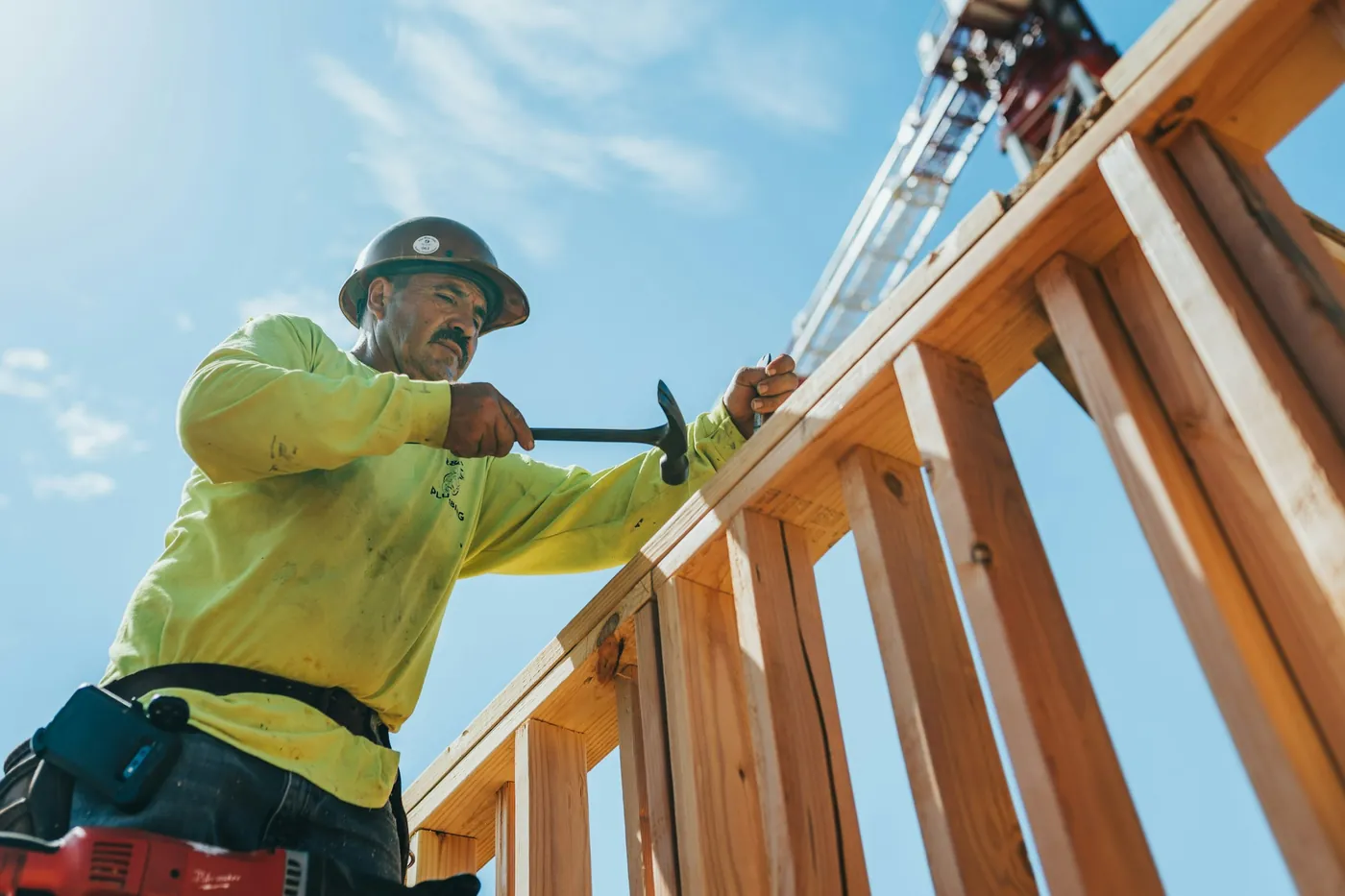
Asset finance for construction and trades

Spread the cost of vans, excavators and tools across their working life, with the machine itself acting as security.

  • Our form won’t affect your credit score
  • £5,000 to £2m+ for UK limited companies and LLPs
  • Free to use, no obligation
Free to useNo fees for businesses, ever
About a minuteOne short form, plain English
Specialist brokersMatched to your type of finance
Your data protectedOnly shared with your consent

The basics

Trades run on kit. A groundworks firm needs diggers and dumpers, an electrician needs a fleet of vans with racking, a scaffolder needs a lorry and thousands of tube and fittings. These items cost tens of thousands each and hold their value reasonably well, so asset finance fits: the lender buys the equipment, your company pays monthly, and the asset is the security. This often means a business can get kit without a large deposit or a charge over property.

Lenders value construction equipment carefully because machines vary a great deal. A three-year-old excavator from a main dealer with a service history is easy to price. A heavily used machine, an unusual attachment or something bought privately is harder. Vehicles carry their own checks, such as age and mileage. Because of this, lenders ask for a detailed quote or invoice and may adjust the deposit, the term or the rate to reflect resale risk.

What businesses use it for

Replacing a tired excavator

Swap a machine with rising repair bills for a newer one, spreading the payments over the years you expect to use it.

Adding vans for a growing team

Finance several vehicles at once as you take on apprentices or a second crew, rather than paying for each one up front.

Specialist tools and attachments

Buy breakers, laser levels, scaffolding systems or access platforms that a job needs, where hire costs are adding up.

Buying plant instead of hiring

Move from regular hire to ownership when a machine is on site most of the year and hire invoices exceed the monthly payment.

How it fits

Terms and amounts

Terms of two to five years are common for plant and vehicles, with the term usually kept shorter than the machine’s expected life. A groundworks firm financing a £55,000 used excavator might, for example, spread payments over four years, subject to the lender’s checks. Deposits and rates depend on the age of the kit and the age of the company.

Hire purchase or lease

Hire purchase leads to ownership once paid, which suits machines you will run for a decade. Leasing and contract hire can keep monthly costs lower and suit vehicles you will replace regularly. VAT and capital allowance treatment differs, so speak to your accountant.

What lenders check

Supplier quotes, the age and make of the asset, and your bank statements and accounts. Lenders will also look at your order book and how you plan to use the kit. Used plant from a dealer is generally easier than from a private seller.

What could it cost each month?

An illustration only. The rate you’re offered depends on the lender and your business.

Open the full calculator
Monthly repayment£0
Show breakdown
Amount borrowed
Interest
Total repayable
Get matched with a broker

Get matched without affecting your credit score

  1. 1

    Tell us what you need

    One short form about your business and the loan. It takes about a minute and won’t affect your credit score.

  2. 2

    We match you

    We pick a specialist broker who arranges this type of finance for businesses like yours.

  3. 3

    The broker calls you

    They talk through your options and approach lenders that fit your circumstances.

  4. 4

    You decide

    Compare any offers. There’s no obligation to go ahead, and Loanleaf is free to use.

Things to consider

Machine downtime and work gaps

Payments continue even when a job falls through or the weather stops work. Check the monthly figure is affordable in a quiet month, and consider how much work the machine needs to earn to cover itself.

Resale value and condition

If a machine has been heavily used, or becomes obsolete as emissions rules change, its worth at the end may be lower than the lender expected. Keep service records, and ask what condition the lender requires on return.

Insurance and maintenance

The lender usually requires comprehensive insurance, and you remain responsible for upkeep. Include insurance, servicing and tracking in your cost calculation, not just the finance payment.

Questions and answers

Can I finance second-hand plant?
Often, yes. Lenders look at age, make, hours and the seller. Dealer machines are usually easier to finance than private sales, and older equipment may have shorter terms or larger deposits. A service history and proof of ownership from the seller make a real difference to the lender’s view.
Will I need a deposit?
Not always. Some lenders offer finance for the full price of an asset for an established company, while others ask for a deposit, particularly for older equipment or younger businesses. A broker can say what is realistic for your situation.
Can I finance a van and a digger together?
Yes, lenders can combine several assets into one agreement, though some prefer separate agreements by asset type. Combining can simplify paperwork, but separating gives flexibility to settle one early. A single supplier invoice covering both assets is usually easier to process than two separate sellers.
What happens if I want to sell the machine early?
You usually need to settle the outstanding balance, and may pay an early settlement charge. With hire purchase, the lender has a claim on the asset until you do, so you cannot sell without clearing the agreement. Ask the lender for a settlement figure before you agree a sale, so you know what the buyer’s money must cover.
Do I need a personal guarantee?
Sometimes. Where the lender relies on the asset and the company’s history, a guarantee may not be needed, but newer companies and larger amounts often involve one. Ask the broker before you apply. Directors’ credit history is usually still checked, whether or not a guarantee is asked for.
How can Loanleaf help?
Loanleaf is an introduction service, not a lender or broker, and we don’t give advice. You answer one short form about your company and what you need, and we match you with a specialist finance broker who works with asset finance for construction and trades businesses. It’s free to use and there’s no obligation to go ahead. The broker will explain any fees of their own.
Ready to see your options?
One short form. A specialist broker calls you.
Get a quote