
Business expansion finance for manufacturers

More capacity means new machines, bigger premises and extra staff well before the larger orders arrive.

  • Our form won’t affect your credit score
  • £5,000 to £2m+ for UK limited companies and LLPs
  • Free to use, no obligation
Free to useNo fees for businesses, ever
About a minuteOne short form, plain English
Specialist brokersMatched to your type of finance
Your data protectedOnly shared with your consent

The basics

Expanding a manufacturing business is capital heavy. A new production line, a bigger unit or a second shift costs money long before the extra output is sold, and machines are often ordered months ahead of delivery. Once capacity is in place, the larger volumes also need more materials and wages, and customers still pay on terms. Many manufacturers find the equipment is the easy part to finance, and the working capital to run it is the real stretch.

Because machinery holds a value, asset finance is usually the natural route for the equipment, with the machine as security and a term of up to its useful life. Premises may be financed with a commercial mortgage. The extra working capital is often better handled with invoice finance or a revolving facility, which grow with sales. Splitting the plan into these parts tends to cost less than a single large loan.

What businesses use it for

A new production line

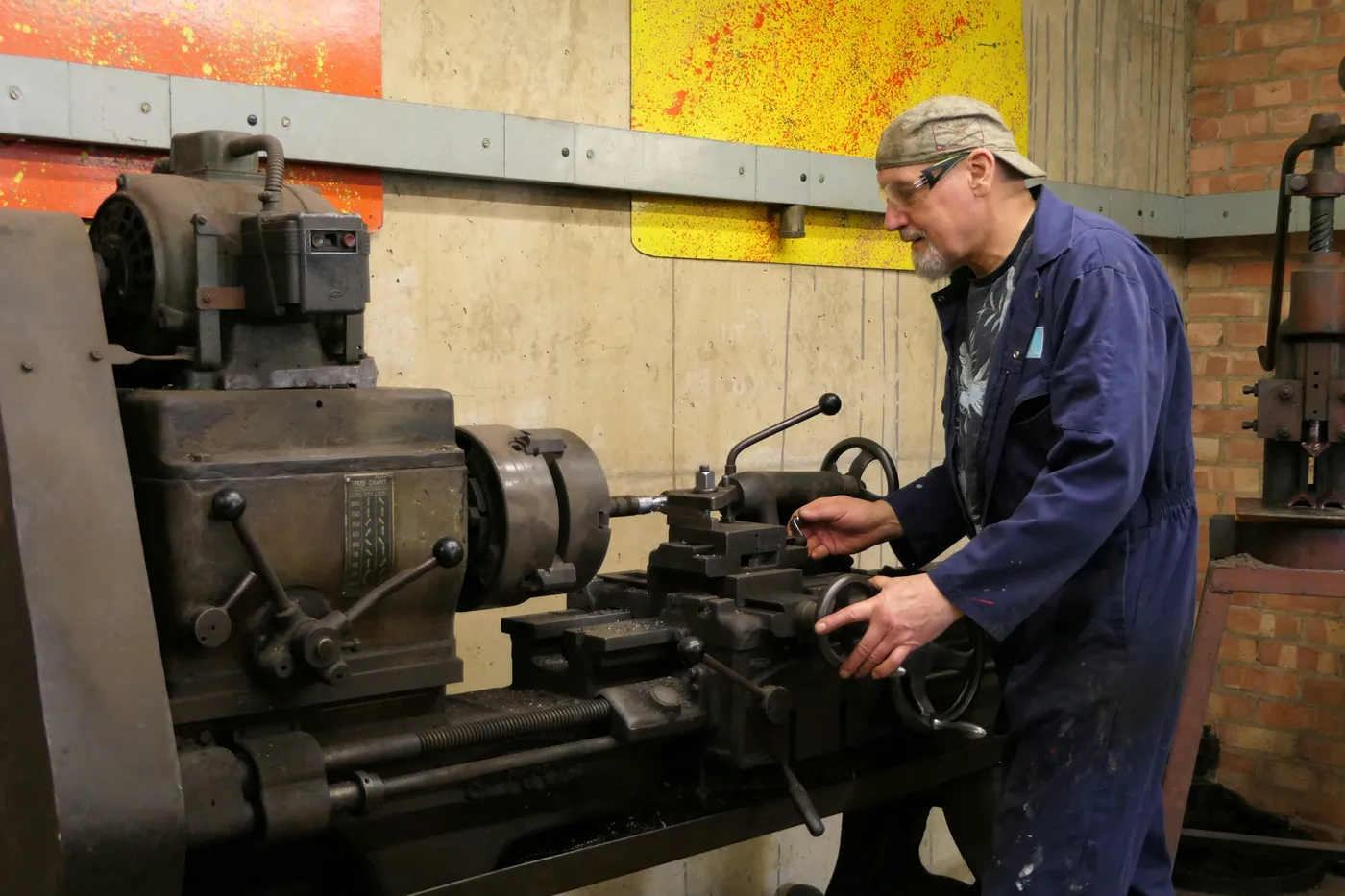
Buy CNC machines, presses, packaging lines or ovens to raise output or make a new product.

Moving to a bigger unit

Take on a larger factory or add a mezzanine, loading bay or cold store as orders outgrow the space.

A big new contract

Staff and stock for a major customer whose volumes are larger than anything you have made before.

Automation and efficiency

Install robotics, new software or energy-saving plant to cut cost per unit and compete on price.

How it fits

Machinery through asset finance

Lenders often advance most of the price of new or used machinery, with repayments over three to seven years, and with the asset as security. Specialist machinery with a narrow resale market is harder to finance, so lenders look at who else would buy it. Used kit with a track record can be easier to value.

Premises through a commercial mortgage

Buying a unit might involve a deposit of 25% or more and a term of up to 25 years. Lenders look at the property’s use and value, and whether profits cover the repayment comfortably. Some owners buy the premises through a separate property company, which a broker can discuss.

Working capital for higher volumes

A first large order can strain cash even if it is profitable. Invoice finance scales with the extra invoices, and a revolving facility handles materials. Lenders may want to see contracts or purchase orders as evidence the extra capacity will be used.

What could it cost each month?

An illustration only. The rate you’re offered depends on the lender and your business.

Open the full calculator
Monthly repayment£0
Show breakdown
Amount borrowed
Interest
Total repayable
Get matched with a broker

Get matched without affecting your credit score

  1. 1

    Tell us what you need

    One short form about your business and the loan. It takes about a minute and won’t affect your credit score.

  2. 2

    We match you

    We pick a specialist broker who arranges this type of finance for businesses like yours.

  3. 3

    The broker calls you

    They talk through your options and approach lenders that fit your circumstances.

  4. 4

    You decide

    Compare any offers. There’s no obligation to go ahead, and Loanleaf is free to use.

Things to consider

Delivery and commissioning delays

Machines can arrive late or take weeks to commission. Repayments may start before the line is earning, so ask whether a payment holiday or staged drawdown is available.

Reliance on one customer

Expanding for a single big buyer ties your fortunes to theirs. Lenders will consider how the business would manage if that order fell away.

Grants and tax allowances

Capital allowances or grants may reduce the real cost of machinery. This is a question for an accountant, but it can change how much you need to borrow.

Questions and answers

Can I finance second-hand machinery?
Yes, many asset finance lenders do. They look at the age, condition and make of the machine, and whether it has a ready resale market. Older or niche machinery may mean a larger deposit or shorter term. A broker can find lenders comfortable with the type of equipment you need.
How long is a typical term for machinery finance?
Terms of three to seven years are common, matched to the machine’s working life. Longer terms lower monthly cost but raise the total paid. Lenders do not want the loan to outlast the useful life of the asset, so shorter lives mean shorter terms.
Do I need a deposit for a production line?
Often a deposit of 10% to 20% is asked for, though it varies by lender, the asset and the strength of the business. Some lenders advance the full cost against strong accounts. A broker can say what is realistic for the equipment you have in mind.
Should the factory be bought or rented?
Buying gives a long-term asset and fixes the cost, but needs a deposit and ties up capital. Renting keeps cash free for machines and stock. Lenders on a commercial mortgage will look at your profits and the property. It is worth discussing with an accountant and a broker.
What if a large order is cancelled after I have bought the machine?
The repayments continue, because the loan is with the lender, not the customer. This is why many brokers advise matching expansion to confirmed orders or a spread of customers. If you are concerned, ask about shorter terms or leasing, which may give more flexibility.
How can Loanleaf help?
Loanleaf is an introduction service, not a lender or broker, and we don’t give advice. You answer one short form about your company and what you need, and we match you with a specialist finance broker who works with manufacturing businesses looking at business expansion. It’s free to use and there’s no obligation to go ahead. The broker will explain any fees of their own.
Ready to see your options?
One short form. A specialist broker calls you.
Get a quote