
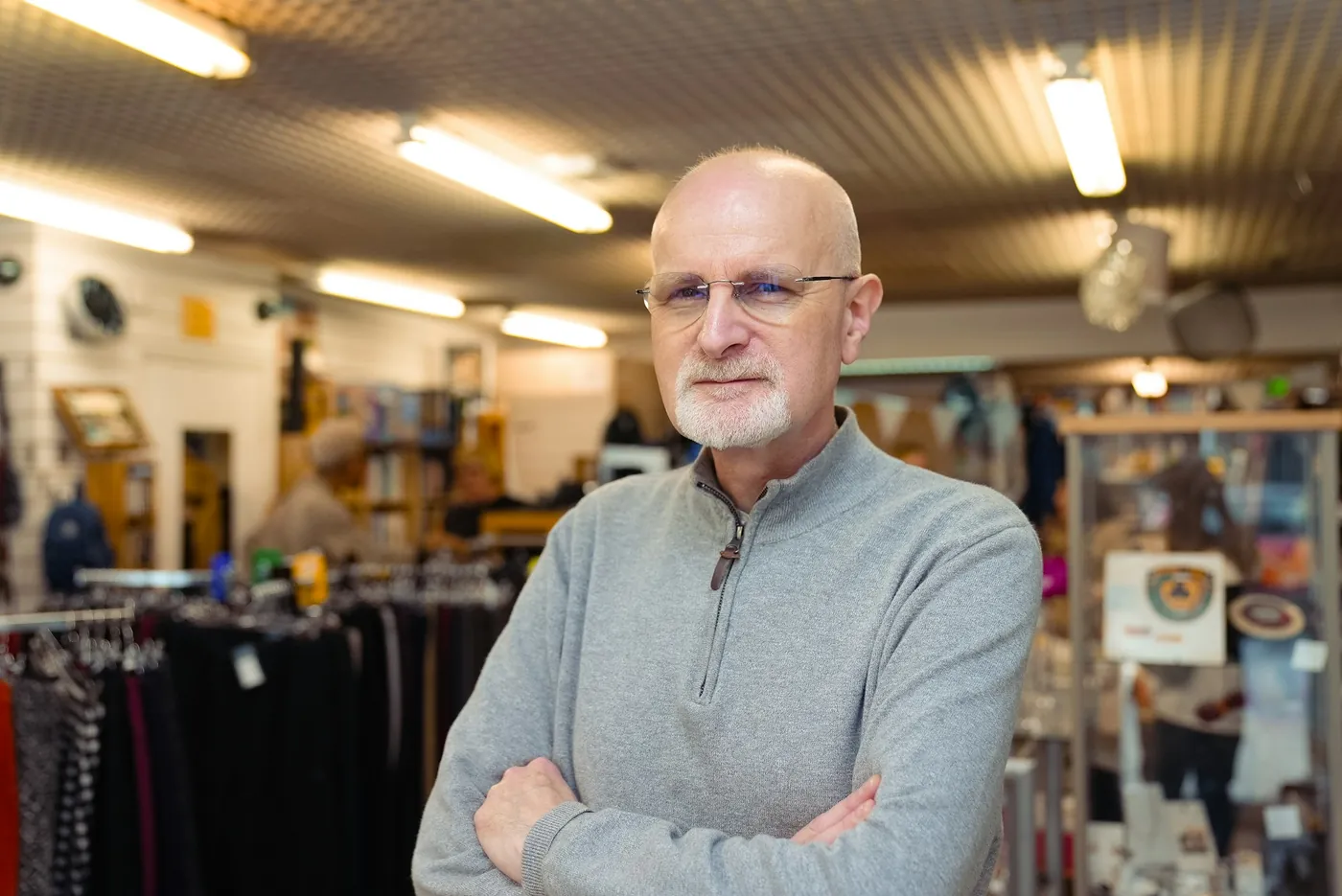
Business expansion finance for retail businesses

A new shop needs a deposit, a fit-out and opening stock before it sells a single item.

  • Our form won’t affect your credit score
  • £5,000 to £2m+ for UK limited companies and LLPs
  • Free to use, no obligation
Free to useNo fees for businesses, ever
About a minuteOne short form, plain English
Specialist brokersMatched to your type of finance
Your data protectedOnly shared with your consent

The basics

Opening a second shop is a bigger step than most retailers expect, because the costs arrive in a block: the lease deposit, shopfitting, signage, tills, a first order of stock and staff trained before the doors open. The cash drain lasts until the shop finds its customers, which can take a year. Lenders therefore look closely at how the existing shop is doing, since a strong store is the best argument that another can work.

Retail expansion rarely needs a single type of finance. Shopfitting and equipment are often financed through asset finance. A loan can cover the deposit and opening stock. A broader move, such as a new product range or a warehouse for online orders, may involve a term loan alongside a revolving facility for stock. The best structure is the one that leaves cash free for stock, which is what the shop actually sells.

What businesses use it for

A second or third shop

Cover the lease deposit, fit-out, signage and opening stock for a new location.

A refit of the current shop

Update the layout, lighting and tills to lift average spend, and pay for the work over several years.

A new product range

Buy the first run of a new line, from a supplier that wants payment up front, before any of it sells.

A stockroom or warehouse

Take on space to hold more stock, handle online orders, or supply several shops from one place.

How it fits

Fit-out through asset finance or a term loan

Shopfittings are hard to repossess because they are fixed to a building, so lenders often prefer an unsecured term loan, for example £30,000 to £120,000 over three to five years. Tills, display equipment and vehicles are easier to finance as assets in their own right.

Opening stock through a facility

Opening stock is usually best financed by a revolving facility, since the amount needed changes as the shop settles in. A fixed loan would be sized on a guess. Lenders will look at stock turn at the first shop to judge how quickly the second will sell through.

Evidence for the lender

Expect to supply recent accounts, bank statements, a business plan with projected sales per square foot, and the lease terms for the new unit. A shop with a record of rising sales or margins at the first site is more convincing than a forecast on its own.

What could it cost each month?

An illustration only. The rate you’re offered depends on the lender and your business.

Open the full calculator
Monthly repayment£0
Show breakdown
Amount borrowed
Interest
Total repayable
Get matched with a broker

Get matched without affecting your credit score

  1. 1

    Tell us what you need

    One short form about your business and the loan. It takes about a minute and won’t affect your credit score.

  2. 2

    We match you

    We pick a specialist broker who arranges this type of finance for businesses like yours.

  3. 3

    The broker calls you

    They talk through your options and approach lenders that fit your circumstances.

  4. 4

    You decide

    Compare any offers. There’s no obligation to go ahead, and Loanleaf is free to use.

Things to consider

A second shop can dilute attention

A retailer who is on the shop floor at the first store has to hire for the second. Wages and management time should be in the budget, not an afterthought.

Lease commitments

A new lease may run for five or ten years with rent reviews. Lenders and brokers will consider whether the business could still meet repayments if the new site underperforms.

Online as an alternative

For some shops, growing online costs less than a second site. A broker may suggest comparing the two before committing to a lease.

Questions and answers

Will a lender finance a retail shopfit?
Some will, but because a fit-out is fixed to the premises it cannot easily be repossessed, so lenders usually treat it as general borrowing. An unsecured term loan or secured loan is typical. Equipment such as tills and fridges can often be financed separately as assets.
How much can a retailer borrow to open a second shop?
It depends on the existing shop’s profits, the company’s age and the new site’s costs. As an illustration, a shop turning over £500,000 might look at £40,000 to £150,000. A broker can help work out what is sensible before you sign a lease.
Should I wait for the first shop to be profitable?
Most lenders will want to see that it is. They look at at least 12 months of accounts and bank statements to judge consistency. Trying to expand while the first shop is still breaking even raises the risk for both you and a lender.
Is stock finance different from a loan?
Yes. With stock finance, the goods are the security and the borrowing moves up and down with stock levels, as with a revolving facility. A loan is a fixed sum repaid over a set term. A broker can explain which suits your range and pace of selling.
Can I finance a move into e-commerce at the same time?
Yes, but each part is assessed on its own merits. Website development, a warehouse and extra stock may suit different finance. A broker used to retail can help structure the borrowing so the shops and the online side are each carried by the right product.
How can Loanleaf help?
Loanleaf is an introduction service, not a lender or broker, and we don’t give advice. You answer one short form about your company and what you need, and we match you with a specialist finance broker who works with retail businesses looking at business expansion. It’s free to use and there’s no obligation to go ahead. The broker will explain any fees of their own.
Ready to see your options?
One short form. A specialist broker calls you.
Get a quote