
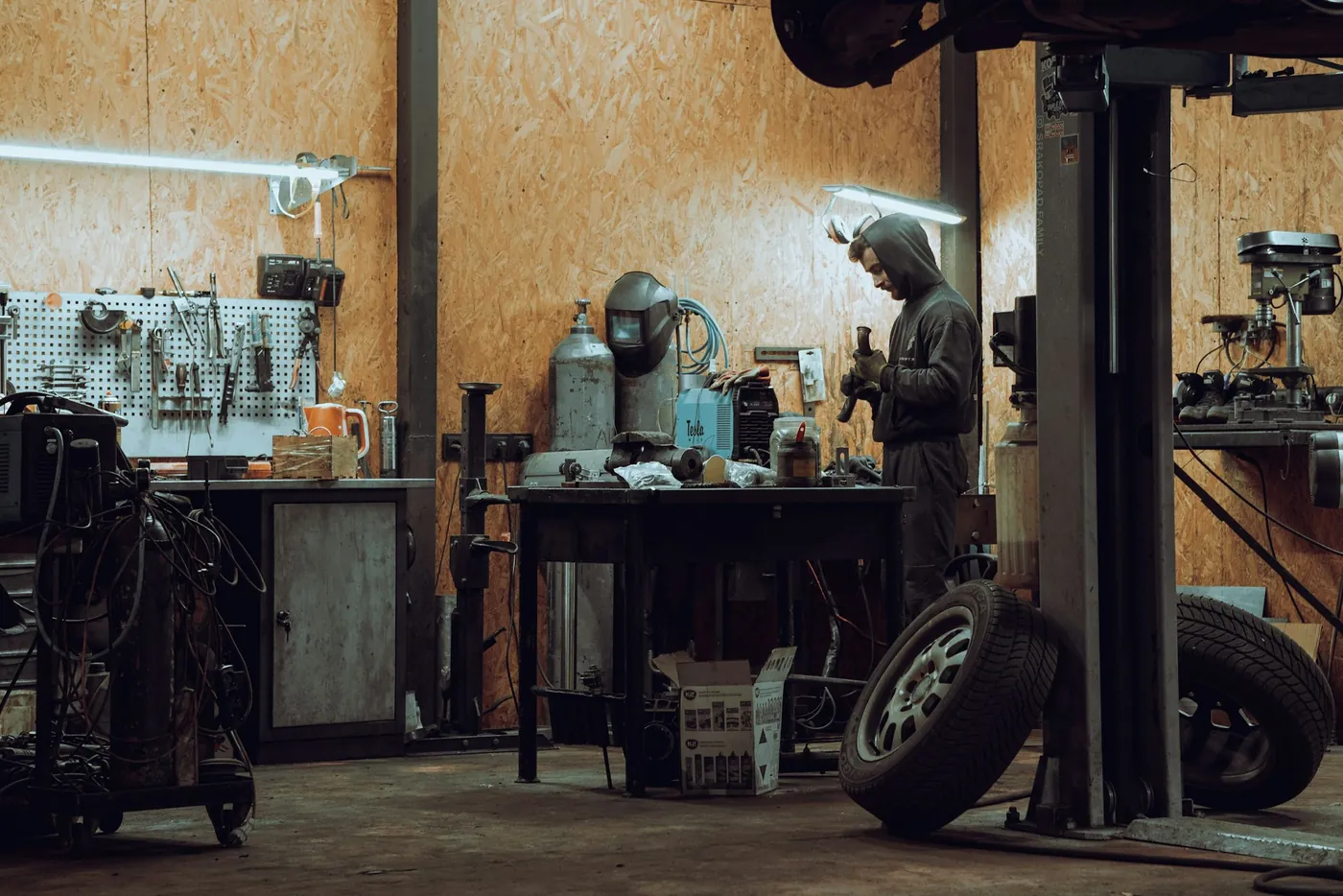
Finance for buying equipment

Get the machinery, tools or technology your business needs and spread the cost over its working life.

  • Our form won’t affect your credit score
  • £5,000 to £2m+ for UK limited companies and LLPs
  • Free to use, no obligation
Free to useNo fees for businesses, ever
About a minuteOne short form, plain English
Specialist brokersMatched to your type of finance
Your data protectedOnly shared with your consent

The basics

Most businesses rely on equipment to trade, whether that is a vehicle lift in a garage, an oven in a bakery, a CNC machine in a workshop or the computers in an office. Buying it outright can tie up a large amount of cash in one go, and replacing something that has broken down often cannot wait. Spreading the cost lets the equipment start earning while it is being paid for.

Asset finance is the most common route, through hire purchase, where you usually own the equipment at the end, or leasing, where you pay to use it. Because the equipment itself usually acts as security, it can be easier to arrange than other borrowing. Some businesses use an unsecured loan instead, especially for smaller or mixed purchases, and asset refinance can release cash from equipment already owned.

What businesses use it for

Replacing worn-out machinery

Swap an ageing machine that keeps breaking down for a newer one, cutting repair bills and lost working time without a large upfront payment.

Adding capacity

Buy a second production line, a larger oven or an extra ramp so the business can take on more work with the team it already has.

Technology and IT

Spread the cost of computers, tills, phone systems or specialist software and hardware, and plan for the next upgrade.

Used equipment

Finance good-quality second-hand machinery, which can lower the overall cost while still spreading payments over an agreed term.

What could it cost each month?

An illustration only. The rate you’re offered depends on the lender and your business.

Open the full calculator
Monthly repayment£0
Show breakdown
Amount borrowed
Interest
Total repayable
Get matched with a broker

Get matched without affecting your credit score

  1. 1

    Tell us what you need

    One short form about your business and the loan. It takes about a minute and won’t affect your credit score.

  2. 2

    We match you

    We pick a specialist broker who arranges this type of finance for businesses like yours.

  3. 3

    The broker calls you

    They talk through your options and approach lenders that fit your circumstances.

  4. 4

    You decide

    Compare any offers. There’s no obligation to go ahead, and Loanleaf is free to use.

Things to consider

Own or lease

Hire purchase usually leaves you owning the equipment, while a lease lets you use it and hand it back or upgrade. Think about how long you will need the equipment and whether it will hold its value.

Tax and VAT

Hire purchase and leasing are treated differently for VAT and tax relief. Your accountant can explain which structure suits your company before you commit to an agreement.

Term and condition

Match the term to the useful life of the equipment so you are not still paying for something that has stopped working. For used equipment, lenders will look at age and condition.

Questions and answers

What is the most common way to finance equipment?
Asset finance, which includes hire purchase and leasing, is the most common route. The equipment usually acts as security, and payments are spread over an agreed term. Some businesses also use unsecured loans, particularly for smaller or mixed purchases. A broker can explain which structure fits the equipment you have in mind.
Can I finance second-hand equipment?
Yes, many lenders finance used machinery and tools as well as new. They will look at the age, condition and expected remaining life of the equipment, and some set limits on how old it can be by the end of the agreement.
Do I need a deposit?
Often, though not always, and some lenders will consider agreements with no deposit for established companies. Many agreements start with a deposit or an initial rental, and with hire purchase the VAT is usually paid upfront. The amount depends on the lender, the equipment and your company’s circumstances.
Can I raise money against equipment I already own?
Often, yes. Asset refinance lets a business release cash from equipment it owns outright, then repay over an agreed term while continuing to use it. The amount depends on the value, age and type of equipment, and on how the business is performing.
What happens if the equipment breaks down?
Payments usually continue regardless, so maintenance and insurance are your responsibility unless the agreement says otherwise. Some leases include servicing. Check the terms carefully, and consider warranty or breakdown cover for machinery the business cannot work without, so a fault does not leave you paying for something you cannot use.
How can Loanleaf help?
Loanleaf is an introduction service, not a lender or broker, and we don’t give advice. You answer one short form about your company and what you need, and we match you with a specialist finance broker who works with equipment finance. It’s free to use and there’s no obligation to go ahead. The broker will explain any fees of their own.
Ready to see your options?
One short form. A specialist broker calls you.
Get a quote