
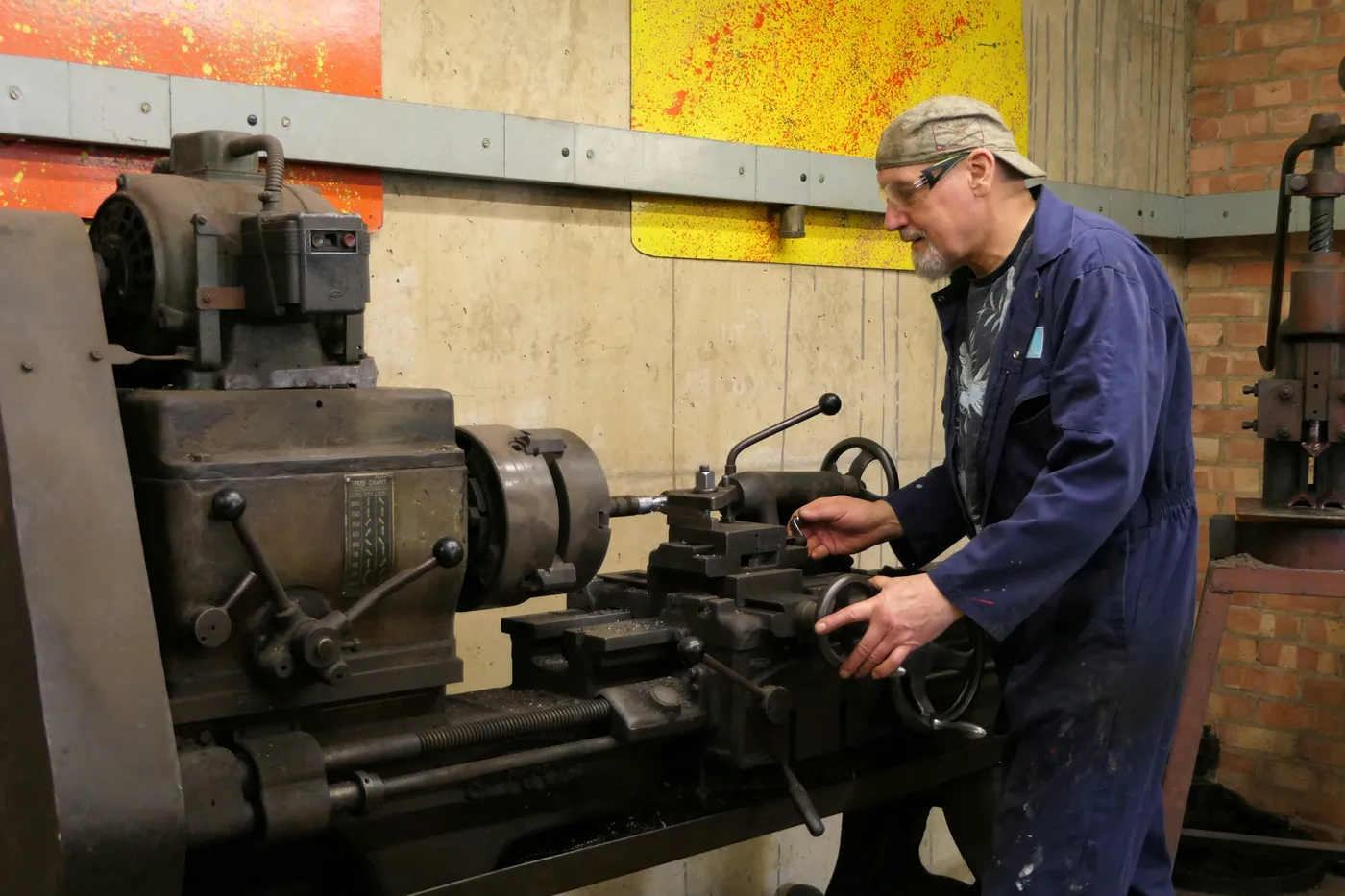
Finance for buying vehicles in manufacturing

For a manufacturer, vehicles move finished goods and stock, and the question is how many the business needs to run on its own.

  • Our form won’t affect your credit score
  • £5,000 to £2m+ for UK limited companies and LLPs
  • Free to use, no obligation
Free to useNo fees for businesses, ever
About a minuteOne short form, plain English
Specialist brokersMatched to your type of finance
Your data protectedOnly shared with your consent

The basics

Manufacturers use vehicles in two ways. On the road, they run delivery vans and lorries to get goods to customers, sometimes on routes tied to a major buyer’s delivery slots. On site, they run forklifts, yard tractors and other powered vehicles that move materials between stores and production. Some manufacturers run their own transport to control delivery times, while others use hauliers and keep only site vehicles. Which mix suits depends on your volumes and customers.

Both are normally financed as assets. Road vehicles suit hire purchase or contract hire, often over three to seven years depending on size. Forklifts and site trucks are commonly leased or financed on hire purchase and often come with a service plan. A broker will look at how heavily the vehicles are used and whether running your own transport costs less than buying it in, because lenders consider the same question.

What businesses use it for

A delivery lorry for a major customer

A food or components manufacturer finances a 7.5 tonne lorry or rigid so it can meet a retailer’s tight delivery windows, rather than relying on a third party.

Forklifts and reach trucks

A factory replaces ageing trucks with new ones on a lease that includes servicing, which spreads the cost and avoids surprise repair bills.

Vans for installation and service teams

A manufacturer of windows, signs or equipment finances vans for the fitting teams that deliver and install the product at customers’ premises.

Yard and site vehicles

A tug, yard tractor or electric site vehicle is financed to move trailers and loads around the site more efficiently.

How it fits

Typical amounts and terms

A delivery van might be £20,000 to £40,000, a 7.5 tonne rigid £60,000 to £100,000 and an articulated unit more. Forklifts range from around £15,000 to £60,000 or more, and terms usually run from three to seven years with a deposit.

What lenders look at

They look at the company’s accounts, existing vehicle commitments and how the vehicle is used. For heavier vehicles they may ask about operator licensing and compliance. Forklifts hold value well when they are from a main brand and have service history, which helps both the term and the advance.

Service plans and total cost

Many forklift and vehicle agreements offer servicing and maintenance bundled into the monthly payment, which makes budgeting easier but can raise the overall cost. Compare a bundled price against buying servicing separately, over the realistic time you will use the vehicle.

What could it cost each month?

An illustration only. The rate you’re offered depends on the lender and your business.

Open the full calculator
Monthly repayment£0
Show breakdown
Amount borrowed
Interest
Total repayable
Get matched with a broker

Get matched without affecting your credit score

  1. 1

    Tell us what you need

    One short form about your business and the loan. It takes about a minute and won’t affect your credit score.

  2. 2

    We match you

    We pick a specialist broker who arranges this type of finance for businesses like yours.

  3. 3

    The broker calls you

    They talk through your options and approach lenders that fit your circumstances.

  4. 4

    You decide

    Compare any offers. There’s no obligation to go ahead, and Loanleaf is free to use.

Things to consider

Own transport or buy it in

A vehicle also needs a driver, insurance, maintenance and compliance. For lower volumes, a haulier or courier may cost less overall than running your own lorry, so test that before committing to payments.

Compliance for heavier vehicles

Lorries and some vans have operator licence, tachograph and driver hours requirements, and forklifts need trained operators. These add to the real cost and administrative load.

When it is not the right fit

If a manufacturer’s cash is stuck in unpaid invoices, a vehicle will not fix it. Invoice finance or a revolving credit facility may suit better, and a broker can explain how each works alongside an asset agreement.

Questions and answers

Can I finance forklifts and site vehicles?
Yes. Forklifts, tugs and similar vehicles are commonly financed by hire purchase or leased, often with a service package. Lenders consider the make, model and age, so mainstream brands are usually easier. A broker can arrange finance for one or several trucks and explain the difference between buying and leasing for your site.
Is it cheaper to run our own lorry than use hauliers?
It depends on volume, routes and how much control you need. A lorry brings finance payments, a driver, insurance, fuel and compliance costs, and it is only efficient if it is used most days. Compare the total cost with your current haulage spend before deciding, and ask your accountant to check the figures.
Do lenders finance heavy goods vehicles?
Yes, many do, though larger vehicles may require a bigger deposit, and shorter terms for older vehicles. Lenders consider the vehicle’s make, age, mileage and the company’s compliance, including operator licensing where relevant. A broker can say which lenders work with heavier vehicles and what documents they need.
Can I finance electric forklifts or vans?
Yes, many lenders finance electric vehicles in the same way as diesel ones, though they may assess resale value differently, particularly for batteries. Charging infrastructure is worth planning for. A broker can explain how lenders currently treat electric stock and whether a charger can be included.
What happens to the vehicle at the end of the term?
With hire purchase, you own it once the final payment and any option fee is made. With a lease or contract hire, you hand it back, and may owe charges for excess mileage or damage. Some agreements allow extension or replacement. Read the end-of-term conditions closely before signing.
How can Loanleaf help?
Loanleaf is an introduction service, not a lender or broker, and we don’t give advice. You answer one short form about your company and what you need, and we match you with a specialist finance broker who works with manufacturing businesses looking at buying vehicles. It’s free to use and there’s no obligation to go ahead. The broker will explain any fees of their own.
Ready to see your options?
One short form. A specialist broker calls you.
Get a quote