
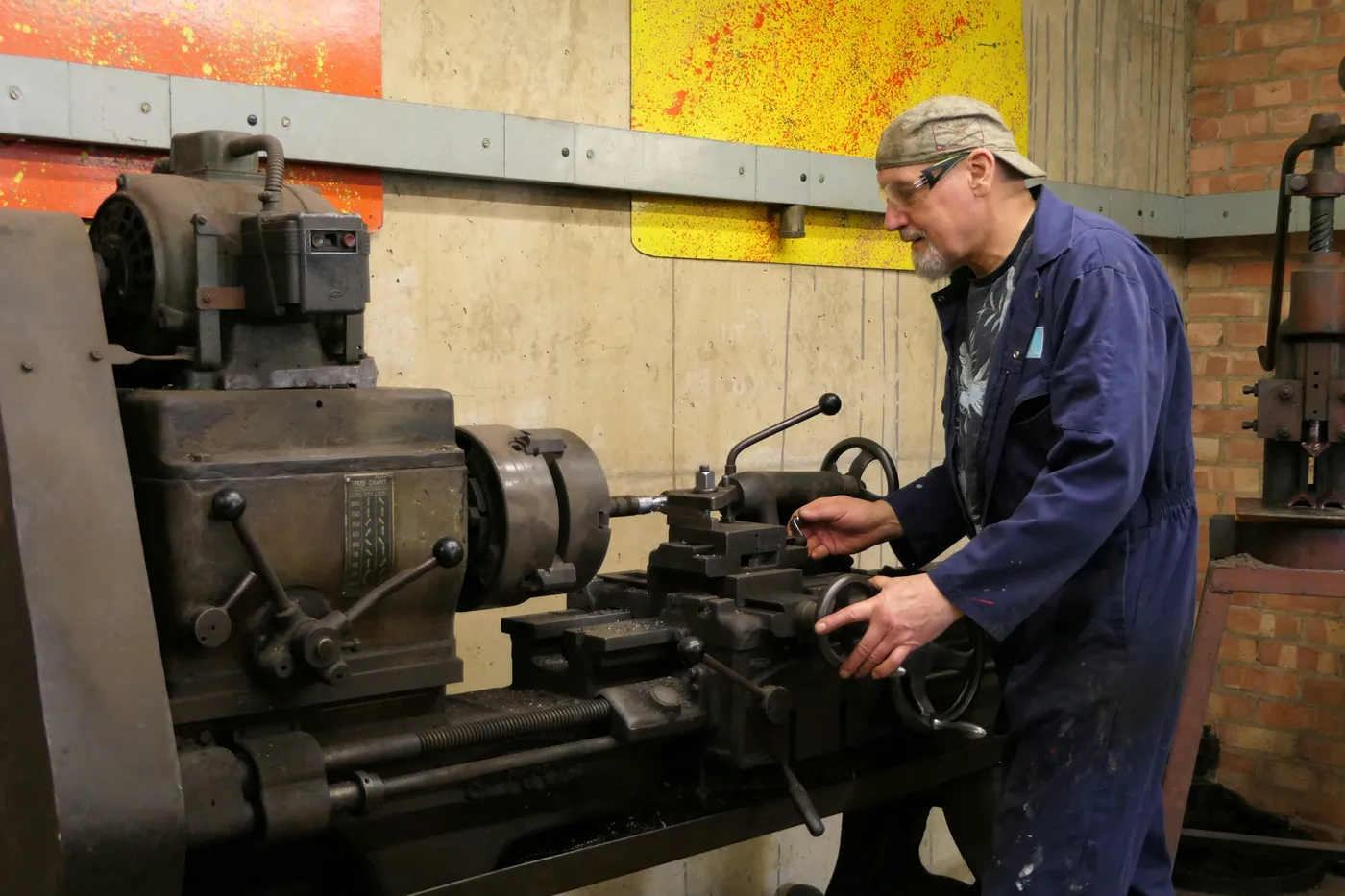
Finance for buying stock in manufacturing

A manufacturer pays for raw materials, spends weeks making the goods and then waits for its customer’s payment terms.

  • Our form won’t affect your credit score
  • £5,000 to £2m+ for UK limited companies and LLPs
  • Free to use, no obligation
Free to useNo fees for businesses, ever
About a minuteOne short form, plain English
Specialist brokersMatched to your type of finance
Your data protectedOnly shared with your consent

The basics

Manufacturing ties up money at three stages. Raw materials and components are bought, often in minimum order quantities with long lead times. They then become work in progress while labour and energy are added, and finally finished goods wait for delivery and an invoice. A customer on 60-day terms means the cash may not return for several months after the first purchase. Lenders will want to see which stage causes the squeeze.

Because the business is usually invoicing other companies, invoice finance and revolving credit facilities are common choices, with secured loans for larger or longer-term inventory needs. Imported components add exchange-rate movements and deposits to suppliers abroad. Lenders will want to see order books and customer quality, as well as accounts. The order book matters as much as the balance sheet. Lenders often ask for sight of customer contracts and payment histories, which a broker can help you assemble.

What businesses use it for

Raw materials for a large order

Buy steel, resin, timber or components for a significant customer order that will not be paid until after delivery.

Minimum order quantities

Take a larger supplier order than immediate demand requires to get the unit price, or because the supplier will not split it.

Imported components with long lead times

Pay deposits months ahead for components sourced abroad, so production does not stall waiting for deliveries.

Smoothing a seasonal run

Build finished stock before a customer’s peak period, so production is steady instead of a rush.

How it fits

Invoice finance against delivered orders

Once goods are delivered and invoiced, invoice finance releases part of the invoice value early, which helps repay the cost of materials. For example, a fabricator might fund £120,000 of steel and release cash as each delivery is invoiced. Lenders check customer credit quality and concentration.

A revolving facility through the cycle

Manufacturers that buy continuously can use a revolving credit facility, drawing for each purchase and repaying on receipt of payments. Lenders look at stock turn, order book and payment history.

Secured loans for larger needs

A secured business loan, backed by property or other assets, can offer larger sums over longer terms. This tends to suit sizeable, repeated inventory needs. The security could be at risk if repayments are missed.

What could it cost each month?

An illustration only. The rate you’re offered depends on the lender and your business.

Open the full calculator
Monthly repayment£0
Show breakdown
Amount borrowed
Interest
Total repayable
Get matched with a broker

Get matched without affecting your credit score

  1. 1

    Tell us what you need

    One short form about your business and the loan. It takes about a minute and won’t affect your credit score.

  2. 2

    We match you

    We pick a specialist broker who arranges this type of finance for businesses like yours.

  3. 3

    The broker calls you

    They talk through your options and approach lenders that fit your circumstances.

  4. 4

    You decide

    Compare any offers. There’s no obligation to go ahead, and Loanleaf is free to use.

Things to consider

Customer concentration

If one customer accounts for most of your sales, lenders may be cautious. A delay or dispute with that customer affects repayments directly.

Work in progress is hard to borrow against

Part-finished goods are difficult to value and rarely count for much as security. Be prepared for lenders to look mainly at invoices and trading history.

Currency and price swings

Buying in another currency adds exchange-rate risk, and commodity prices can move before you sell. Build a margin of safety into pricing and borrowing.

Questions and answers

Can I finance raw materials before I have an order?
It is harder. Lenders generally prefer purchases tied to confirmed orders or a track record of regular sales. A revolving facility based on trading history may help. A broker can explain what lenders usually look for. Evidence of orders, such as purchase orders or contracts, usually carries most weight.
How does invoice finance help with materials?
It releases cash against invoices you have already raised, so the money from one order can fund the materials for the next. It does not pay for materials before an invoice exists, so some firms combine it with a facility. Lenders will want to see the steady relationship, the quality of the customer and the cost of the order.
What if my supplier is overseas?
Some specialist providers offer trade finance, paying the supplier directly and being repaid by you later. Availability depends on the goods and your history. A broker can tell you whether it is likely to be available. Expect a lender to ask for a valuation and an assessment of how easily the stock could be sold.
Is stock accepted as security?
Sometimes, particularly for finished goods that are easy to value and resell. Raw materials and work in progress count for less. A secured loan may use property or equipment as well. Check any seasonal or one-off elements first, because these can lengthen the cycle.
How long should a loan for stock last?
Usually no longer than the cycle from buying materials to being paid, which can be several months in manufacturing. A broker can help you match the term to your production and payment timeline. Terms vary, so discuss the pattern of your own purchases with a broker.
How can Loanleaf help?
Loanleaf is an introduction service, not a lender or broker, and we don’t give advice. You answer one short form about your company and what you need, and we match you with a specialist finance broker who works with manufacturing businesses looking at buying stock. It’s free to use and there’s no obligation to go ahead. The broker will explain any fees of their own.
Ready to see your options?
One short form. A specialist broker calls you.
Get a quote