
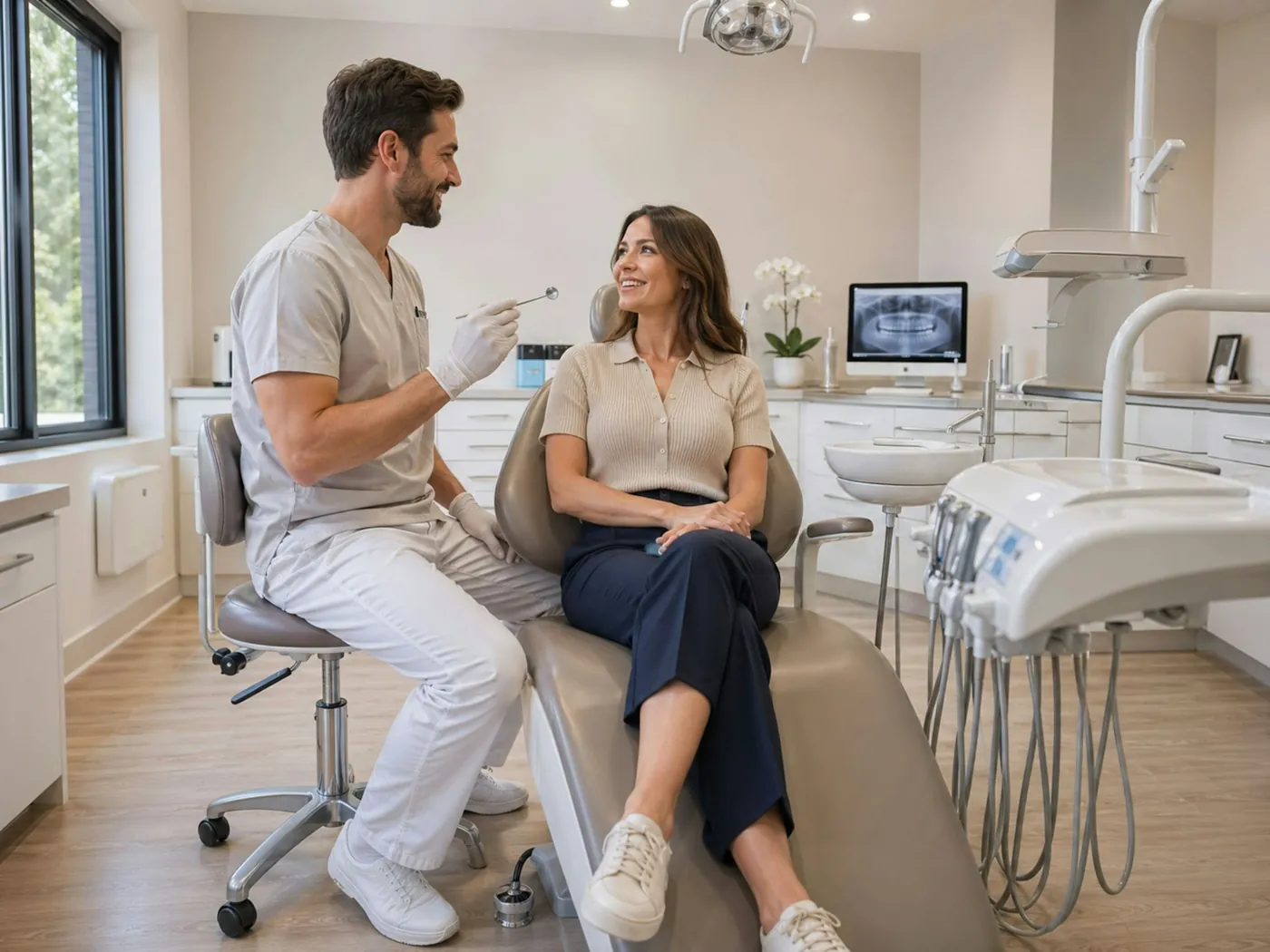
Finance for buying equipment in healthcare and dental

Clinical equipment is expensive, regulated and quickly outdated, so healthcare providers tend to match the term to how long it will stay useful.

  • Our form won’t affect your credit score
  • £5,000 to £2m+ for UK limited companies and LLPs
  • Free to use, no obligation
Free to useNo fees for businesses, ever
About a minuteOne short form, plain English
Specialist brokersMatched to your type of finance
Your data protectedOnly shared with your consent

The basics

A dental surgery can cost £50,000 to £100,000 to equip per room, with a chair, delivery unit, light, X-ray, intraoral scanner and sterilisation. Clinics buy ultrasound, laser, physiotherapy or diagnostic equipment, and care homes buy beds, hoists and nurse call systems. Much of it must meet regulatory standards, be serviced regularly and be replaced as technology improves, so the right term is usually shorter than the physical life of the machine. Spreading the cost lets a practice add capacity before the income arrives.

Asset finance is the most common route, with hire purchase for equipment you will keep and leasing for technology that is likely to be replaced. Lenders are generally comfortable with healthcare because revenue is steady and equipment has a resale market. A broker will ask about your patient base, NHS and private mix, and how the equipment will support income, such as new treatments or reduced outsourcing. Clinical equipment is usually the largest cost after staff.

What businesses use it for

Equipping a new surgery or treatment room

A dental practice adds a surgery with a chair, X-ray and instruments, financing the whole package so the room opens before the practice has built up its new patient list.

Digital dentistry and imaging

A practice buys a CBCT scanner and an intraoral scanner to offer implants and same-day crowns, spreading the cost across the extra treatments it will provide.

Replacing ageing clinical equipment

A physiotherapy or aesthetics clinic replaces lasers or treatment tables that are slow, unreliable or no longer supported by their manufacturer.

Care home equipment

A care provider finances profiling beds, hoists and a new nurse call system, planning payments around fee income per resident.

How it fits

Typical amounts and terms

A single dental chair package may be £20,000 to £50,000, while imaging equipment can be £30,000 to £120,000 and a fully equipped new surgery higher. Terms are commonly three to seven years, with shorter terms for digital technology and longer for chairs and fixtures.

What lenders look at

They look at the practice’s accounts, the split between NHS and private income, the length of contracts and the number of patients. For a new surgery, they want to see how it will be used. Equipment from established manufacturers with servicing arrangements is easier to finance.

Structure and service

Some agreements bundle servicing or software licences into the payment, which suits equipment that needs regular calibration. Leasing can allow upgrades at the end of the term, which matters for imaging and software that moves fast, though you do not own the equipment.

What could it cost each month?

An illustration only. The rate you’re offered depends on the lender and your business.

Open the full calculator
Monthly repayment£0
Show breakdown
Amount borrowed
Interest
Total repayable
Get matched with a broker

Get matched without affecting your credit score

  1. 1

    Tell us what you need

    One short form about your business and the loan. It takes about a minute and won’t affect your credit score.

  2. 2

    We match you

    We pick a specialist broker who arranges this type of finance for businesses like yours.

  3. 3

    The broker calls you

    They talk through your options and approach lenders that fit your circumstances.

  4. 4

    You decide

    Compare any offers. There’s no obligation to go ahead, and Loanleaf is free to use.

Things to consider

Technology moves on

Imaging and scanning equipment can become outdated in a few years. A long finance term on technology that a competitor soon outclasses is a real risk, so match the term to how long the kit will stay useful.

Regulation and servicing

Clinical equipment may need calibration, servicing or registration with regulators. These costs sit on top of the monthly payment, so allow for them.

When it is not the right fit

If you are buying a practice, a commercial mortgage or secured loan may be better than equipment finance alone. Where equipment is a small part of a larger project, an unsecured or secured loan covering the whole project can be simpler.

Questions and answers

Can I finance equipment for a new dental practice?
Possibly, if the company has traded for at least six months and meets Loanleaf’s criteria. A new practice can be harder to finance because there is less trading history, so lenders may look at the clinicians’ experience, a business plan and a deposit. A broker can advise how to present these to lenders.
Is leasing or hire purchase better for dental equipment?
Hire purchase suits items you expect to use for a long time, such as chairs, and gives ownership at the end. Leasing suits digital equipment that will probably need replacing. Tax and VAT treatment differs, and healthcare VAT exemptions can affect the answer, so check with your accountant.
Can I finance a practice refit?
Often equipment such as chairs and imaging can be financed as assets, while building works and fixed fittings are harder because they are not removable. A broker may suggest an unsecured loan or secured loan for the building works and asset finance for the equipment, depending on the lease and the project.
Do lenders treat NHS income differently?
Many lenders see NHS contract income as steady, which helps, but they also look at how long the contract runs and how much of income depends on it. A practice with a mix of NHS and private income is often viewed more favourably than one that is heavily weighted to either. A broker can explain how lenders see your mix.
Can I finance second-hand clinical equipment?
Sometimes, if it comes from a reputable dealer with a service history and clear paperwork. Lenders may be cautious with older digital equipment because its value falls quickly and servicing support can end. Expect a shorter term and a deposit. A broker can explain what lenders will accept.
How can Loanleaf help?
Loanleaf is an introduction service, not a lender or broker, and we don’t give advice. You answer one short form about your company and what you need, and we match you with a specialist finance broker who works with healthcare and dental businesses looking at buying equipment. It’s free to use and there’s no obligation to go ahead. The broker will explain any fees of their own.
Ready to see your options?
One short form. A specialist broker calls you.
Get a quote