
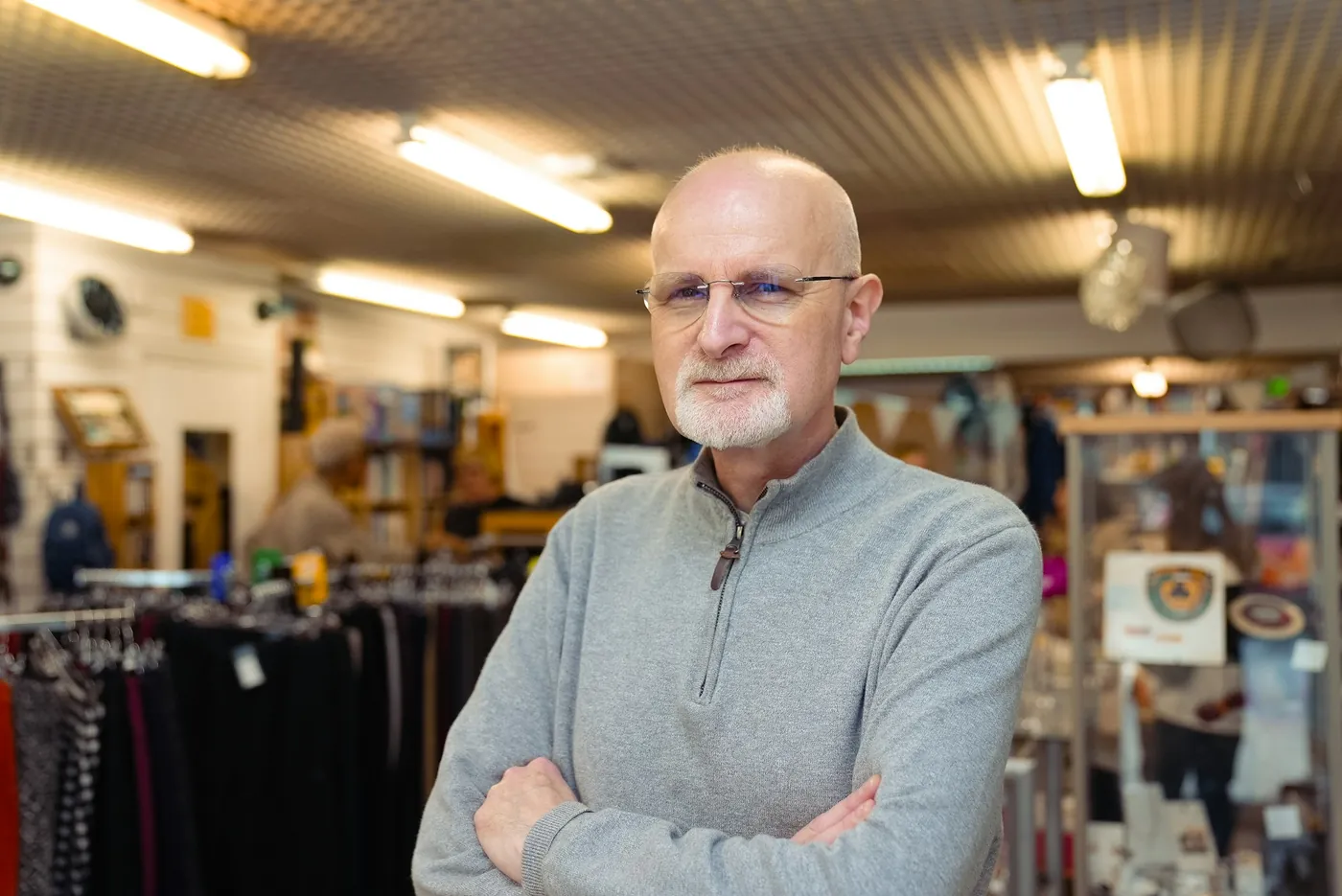
Finance for buying equipment in retail

Shop fit-outs and display equipment are paid for before the first sale, so retailers usually spread the cost over the years the fittings last.

  • Our form won’t affect your credit score
  • £5,000 to £2m+ for UK limited companies and LLPs
  • Free to use, no obligation
Free to useNo fees for businesses, ever
About a minuteOne short form, plain English
Specialist brokersMatched to your type of finance
Your data protectedOnly shared with your consent

The basics

Retail equipment is mostly about getting the shop ready to trade and keeping it working. That covers tills and card terminals, shelving and display units, lighting, refrigeration for a food or convenience store, security systems and the racking and conveyors in a stockroom. A new store can need £50,000 or more in fittings before a single sale, and refits every five to seven years keep the shop looking current. Spreading the cost keeps cash free for stock.

Asset finance covers equipment that can be identified and valued, such as refrigeration, tills and stockroom machinery, usually through hire purchase or leasing. Fixtures built into a shop, such as bespoke joinery, may be harder to finance as an asset, in which case an unsecured loan can work. A broker will want to know how many sites you run and how steady your card takings and footfall have been. Both are common in retail.

What businesses use it for

Fitting out a new unit

Shelving, lighting, a till system, signage and changing rooms are bought together and financed over several years, so the opening budget stays available for stock.

Refrigeration for a food retailer

A convenience store or deli replaces chilled display units that are failing, spreading the cost rather than risking spoiled stock and lost sales.

Modernising the tills and card systems

A multi-site retailer rolls out new point-of-sale software and hardware to link stock and sales across locations, often through leasing so the kit can be upgraded.

Stockroom and click-and-collect equipment

Racking, a labelling machine and a collection lockers system are financed to speed up online orders handled from the shop.

How it fits

Typical amounts and terms

Individual items such as chiller units or till systems might be £2,000 to £20,000, while a full fit-out can reach £100,000 or more. Terms are commonly two to seven years, with shorter terms for technology that dates quickly and longer for durable fittings.

What lenders look at

They look at how long the shop has traded, the pattern of card takings, rent and lease length, and the profit after paying stock. A short lease can worry a lender because fixtures may have to be removed, so the remaining lease term is often part of the assessment.

Choosing the structure

Hire purchase suits durable items you will keep, such as refrigeration. Leasing suits technology that you expect to replace, because the equipment can be swapped at the end. A broker can also look at whether a business loan covering both equipment and stock would be simpler.

What could it cost each month?

An illustration only. The rate you’re offered depends on the lender and your business.

Open the full calculator
Monthly repayment£0
Show breakdown
Amount borrowed
Interest
Total repayable
Get matched with a broker

Get matched without affecting your credit score

  1. 1

    Tell us what you need

    One short form about your business and the loan. It takes about a minute and won’t affect your credit score.

  2. 2

    We match you

    We pick a specialist broker who arranges this type of finance for businesses like yours.

  3. 3

    The broker calls you

    They talk through your options and approach lenders that fit your circumstances.

  4. 4

    You decide

    Compare any offers. There’s no obligation to go ahead, and Loanleaf is free to use.

Things to consider

Lease length and landlord

Shop fittings are only useful for as long as you hold the premises. If a lease is short or about to be renegotiated, committing to a long finance term on fixtures carries risk.

Technology moves quickly

A till system financed over seven years can feel outdated long before the final payment. Match the term to how long the technology will stay useful and consider leasing for software-led hardware.

When it is not the right fit

Stock purchases, seasonal peaks and general cash flow are not equipment needs. For those, a revolving credit facility or merchant cash advance usually suits better than an asset agreement, and a broker can explain the difference.

Questions and answers

Can I finance shop fittings that are fixed to the premises?
It can be harder, because fixed fittings may not be removable and so have little resale value to a lender. Some lenders will still consider them, often with a larger deposit or a shorter term, while others suggest an unsecured loan. A broker can explain which route lenders prefer for a particular fit-out.
Is leasing or hire purchase better for tills and card terminals?
Leasing often suits technology that you expect to replace, because the kit can be upgraded when the term ends. Hire purchase suits equipment you plan to keep. Software subscriptions are usually separate from the hardware agreement. Check how each option is treated for VAT and tax with your accountant.
Does my shop need to have been trading for long?
Loanleaf is for limited companies and LLPs that have traded for at least six months with annual revenue of £50,000 or more. For a new unit, lenders may look at the company’s wider results and ask for a business plan. A broker can explain what they would want to see.
Can I finance equipment for several shops at once?
Yes. Multi-site retailers can sometimes arrange a single facility covering equipment for several locations, which simplifies paperwork. Lenders will look at the whole group’s trading and borrowing. A broker can advise whether one facility or a set of separate agreements suits your plans better.
What if a store closes before the finance ends?
The agreement continues, because it is a commitment of the company. The equipment can sometimes be moved to another shop, sold with the lender’s agreement or returned under a lease. Early settlement may involve charges. Ask about this before you sign, particularly if you may close or relocate stores.
How can Loanleaf help?
Loanleaf is an introduction service, not a lender or broker, and we don’t give advice. You answer one short form about your company and what you need, and we match you with a specialist finance broker who works with retail businesses looking at buying equipment. It’s free to use and there’s no obligation to go ahead. The broker will explain any fees of their own.
Ready to see your options?
One short form. A specialist broker calls you.
Get a quote